Pier Construction
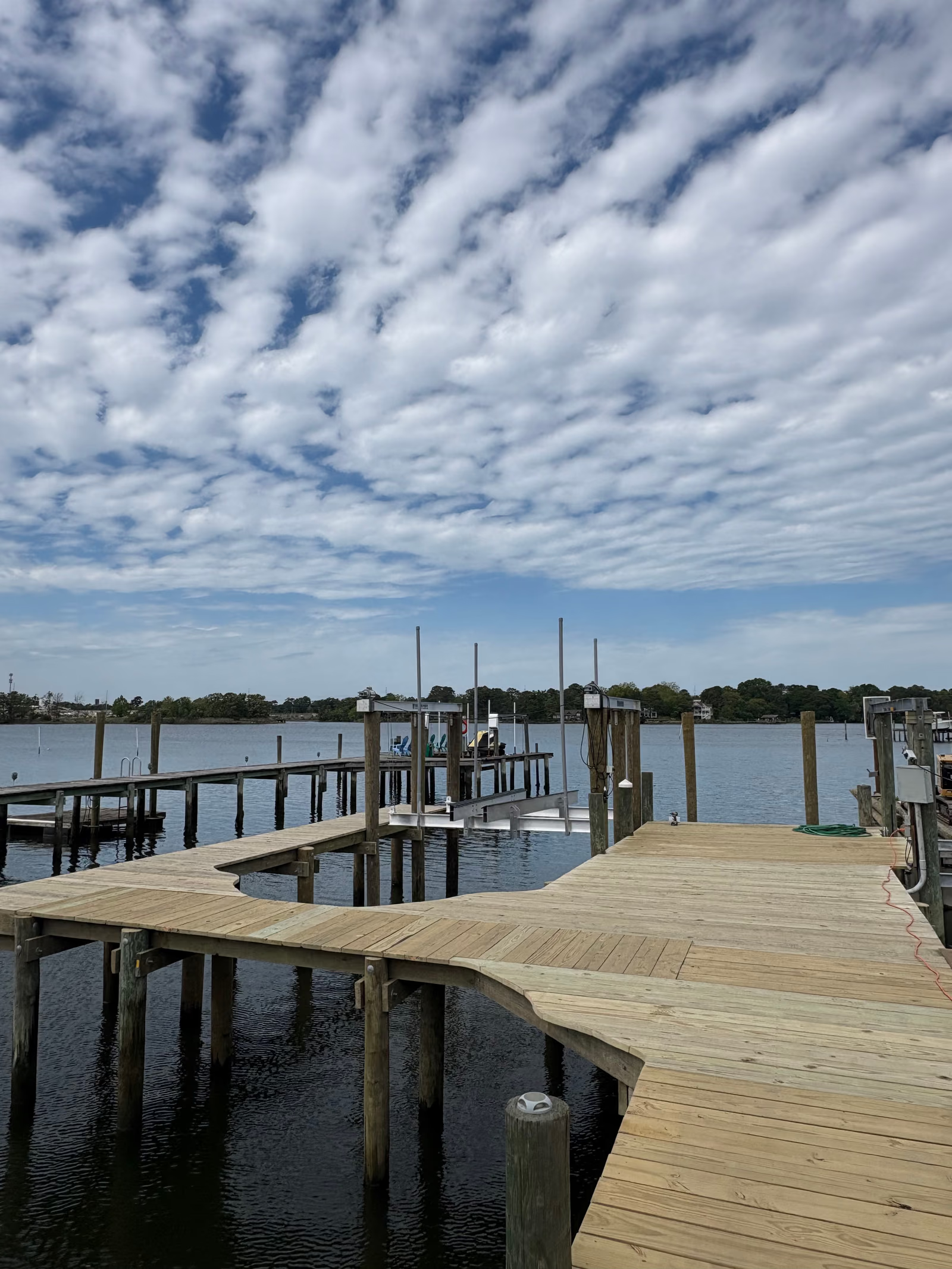
We build residential and community fishing and boating piers with barge-driven piles, T-heads and L-heads, in Hampton Roads and northeastern North Carolina. Typical piers run 60 to 300 feet.
When the water is shallow near shore, a pier is how you reach the channel. We engineer the pile spacing, height above mean high water and deck loads so it feels solid at the far end.
How we build it
The work, step by step.
- 01
Survey & bathymetry
We measure depths along the proposed alignment so the pier ends where your boat floats at low tide.
- 02
Permit package
Drawings, adjacent-owner notices and agency submissions handled start to finish.
- 03
Drive & frame
Piles driven in sequence from the barge; framing follows the same day.
Materials.
- Marine timber or steel piles
- T-head / L-head platforms
- Gazebo & bench framing
- Low-voltage lighting conduit
Piers: what people ask
- How far out can a pier go?
- Regulations typically cap piers at one quarter of the waterway width or a fixed length. We design to the maximum your permit allows.
- Can you add a gazebo or fish-cleaning station?
- Yes — T-heads, gazebos, benches, ladders and cleaning stations are all common add-ons.
Pairs well with
Dock Construction & Repair
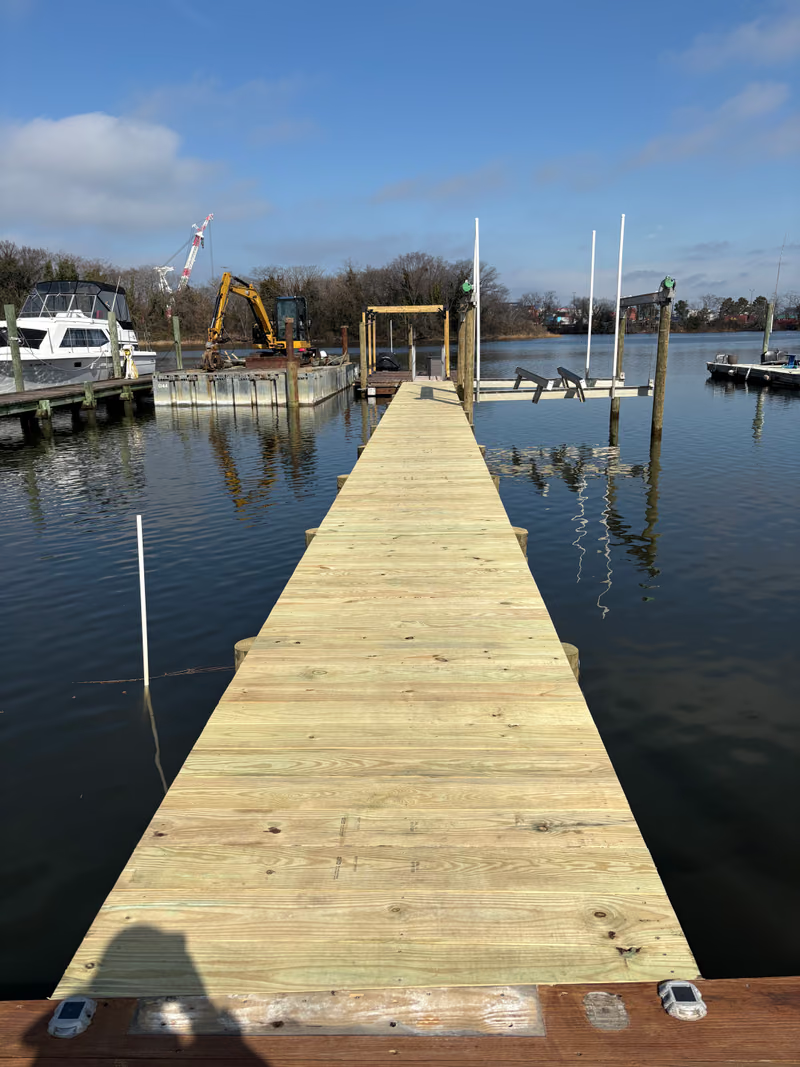
Fixed docks engineered for tide, storm and decades of use.
Docks detailsDock Construction & Repair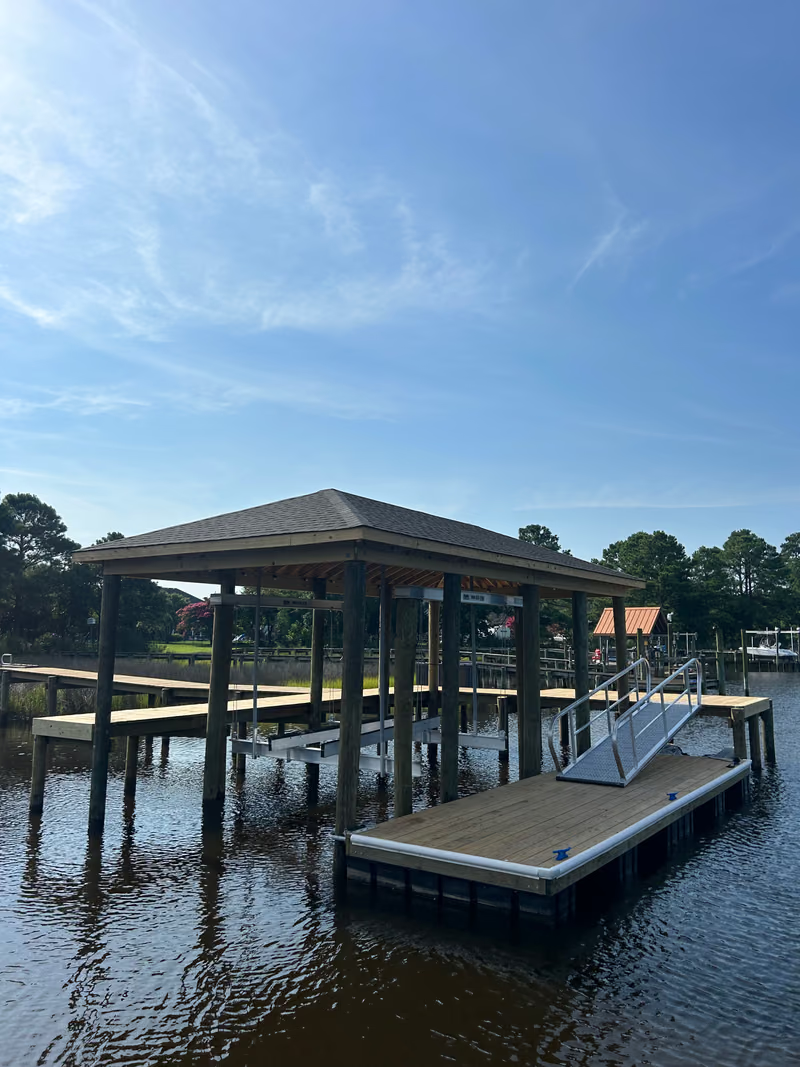
Boat & Jet Ski Lifts
Keep your boat out of the water and ready to run.
Boat Lifts detailsBoat & Jet Ski Lifts
Ready to talk about your piers?
Shane walks the site himself, then sends a drawing and a written price. No charge for the visit.